
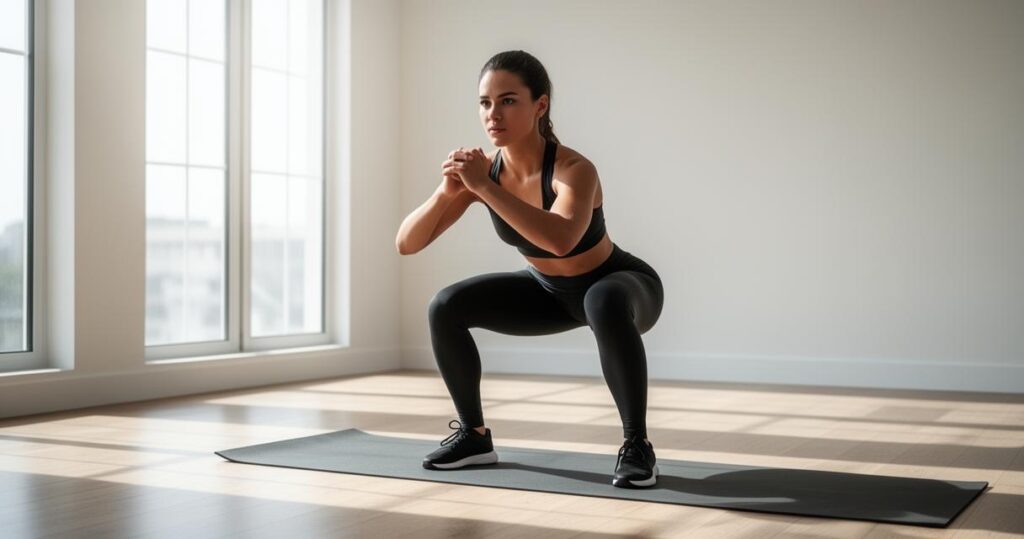
Building powerful glutes is more than just an aesthetic goal; it represents a foundation for enhanced athletic prowess, improved posture, and overall functional fitness. Among the myriad of exercises available, squats stand out as a timeless and highly effective movement that targets the lower body with precision and intensity. Whether you are just beginning your fitness journey or looking to refine your technique, understanding how many squats to perform each day and ensuring your form is impeccable can make all the difference in achieving the results you desire.
Understanding the Fundamentals: Why Squats Are Essential for Glute Development
Squats have earned their reputation as a cornerstone exercise in strength training for good reason. They engage multiple muscle groups simultaneously, making them one of the most efficient movements for building lower body strength. At the heart of this exercise lies the glute muscles, which play a pivotal role in powering everyday activities and athletic endeavours alike. By incorporating squats into your routine, you not only target the glutes but also recruit the thighs, hips, and core, creating a comprehensive workout that delivers impressive functional benefits.
The Anatomical Benefits of Squats for Your Glutes and Lower Body
From an anatomical perspective, squats are a compound movement that places significant demand on the gluteus maximus, medius, and minimus. These muscles are responsible for hip extension, stability, and lateral movement, all of which are crucial for maintaining balance and generating power. When performed correctly, squats activate these muscle fibres intensely, promoting growth and strength over time. Additionally, the exercise engages the quadriceps, hamstrings, and calves, ensuring that your entire lower body benefits from each repetition. This comprehensive activation helps to create a well-rounded muscular development that supports both performance and injury prevention.
How Squats Contribute to Overall Athletic Performance and Functional Strength
Beyond the visible muscle development, squats enhance your overall athletic performance by improving your ability to generate force and maintain stability during dynamic movements. Athletes across various sports rely on strong glutes and legs to sprint faster, jump higher, and change direction with agility. Moreover, the functional strength gained from squats translates seamlessly into daily tasks such as climbing stairs, lifting objects, and maintaining posture throughout long periods of sitting or standing. By integrating squats into your training regimen, you are investing in a movement pattern that enhances both your physical capabilities and your quality of life.
Recommended daily squat volume: finding your optimal repetition range
Determining the right number of squats to perform each day is a question that depends on your current fitness level, goals, and overall training programme. There is no one-size-fits-all answer, but general guidelines can help you find a starting point that will set you on the path to success. For those new to the exercise, beginning with a manageable volume allows your body to adapt to the movement and build a solid foundation before progressing to more challenging workloads.
Starting Guidelines: Three Sets of 10-15 Squats for Beginners
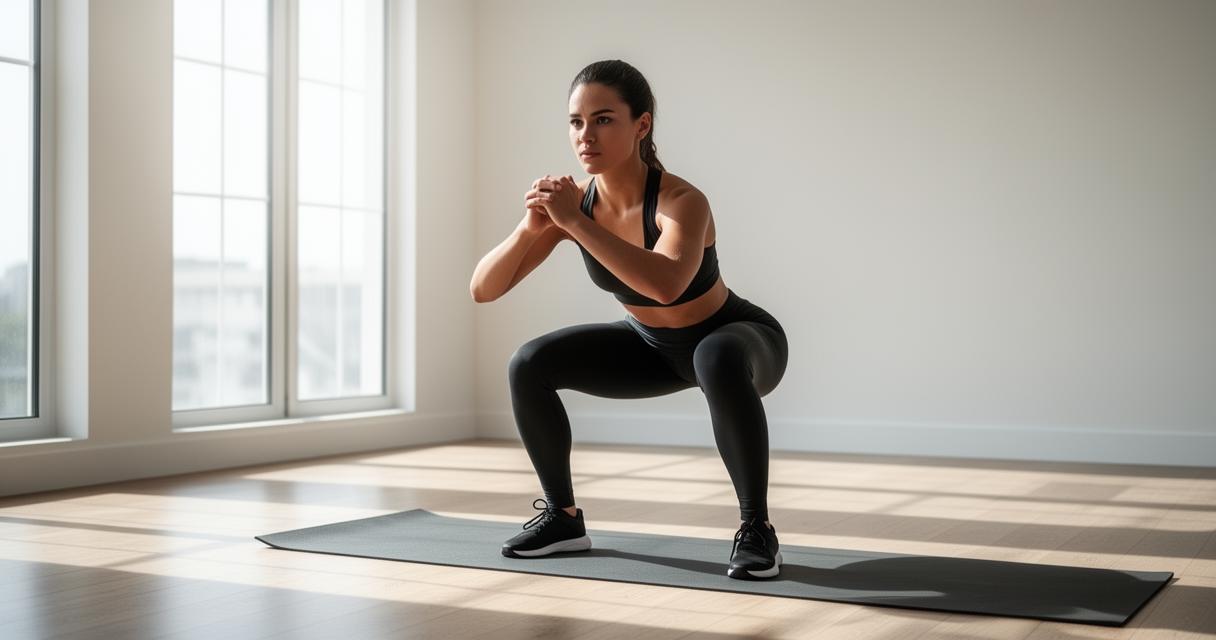
For individuals who are just starting out, a typical recommendation is to perform three sets of 10 to 15 squats per day. This volume strikes a balance between providing enough stimulus to promote muscle adaptation while avoiding excessive fatigue that could lead to poor form or injury. By focusing on this range, beginners can develop the neuromuscular coordination necessary to execute the squat with precision. It is important to remember that consistency is key; incorporating squats into your routine several times a week will yield more noticeable improvements than sporadic, high-volume sessions. As your body becomes accustomed to the movement, you will find that these repetitions feel more natural and less taxing, signalling that you are ready to progress.
Progressive Overload: When and How to Increase Your Squat Frequency
Once you have established a consistent routine and can comfortably complete your initial sets with proper form, it is time to consider progressive overload. This principle involves gradually increasing the demands placed on your muscles to continue stimulating growth and strength gains. You can achieve this by adding more repetitions, increasing the number of sets, or introducing additional resistance through weights or resistance bands. For example, after several weeks of performing three sets of 15 squats, you might increase to four sets or add a few extra repetitions to each set. Another effective strategy is to vary the type of squats you perform, such as incorporating sumo squats, split squats, or jump squats, which challenge your muscle fibres in different ways. The key is to challenge yourself progressively without compromising your technique, ensuring that each movement remains controlled and deliberate.
Mastering Proper Squat Form and Technique for Maximum Results
No matter how many squats you perform each day, the quality of your technique will ultimately determine the effectiveness and safety of the exercise. Proper form is the bedrock upon which all progress is built, and taking the time to master the fundamentals will pay dividends in both strength gains and injury prevention. By understanding and applying essential form cues, you can ensure that every repetition counts towards your goals.
Essential form cues: foot positioning, back alignment, and shoulder placement
When setting up for a squat, begin by positioning your feet shoulder-width apart, with your toes pointing slightly outward. This stance provides a stable base and allows for optimal hip and knee alignment throughout the movement. As you descend, focus on keeping your weight distributed evenly across your entire foot, avoiding the temptation to shift forward onto your toes. Your back should remain straight throughout the exercise, with your chest lifted and shoulders positioned over your heels. This alignment helps to protect your spine and ensures that the glutes and legs bear the brunt of the workload. Engaging your core muscles will further support your spine and maintain stability as you lower into the squat and rise back to standing.
Common Mistakes to Avoid and Tips for Maintaining Perfect Technique Throughout Your Sets
Even experienced exercisers can fall prey to common mistakes that undermine the effectiveness of their squats. One frequent error is allowing the knees to cave inward during the descent, which places undue stress on the joint and can lead to discomfort or injury over time. To counteract this, actively think about pushing your knees outward in line with your toes as you squat. Another pitfall is rounding the lower back, which often occurs when the hips rise faster than the torso during the ascent. To maintain a neutral spine, imagine a string attached to the top of your head gently pulling you upward, and lead with your chest as you stand. Additionally, avoid rushing through your repetitions; each squat should be performed with control and intention, allowing you to feel the muscles working throughout the full range of motion. If you find your form deteriorating as you fatigue, it is better to stop and rest rather than continue with compromised technique. Over time, these mindful adjustments will become second nature, and your squats will become a powerful tool for sculpting strong, resilient glutes and a robust lower body.