Carp fishing has captivated anglers across the British Isles and continental Europe for generations, blending time-honoured traditions with modern innovations. Whether you're drawn to the tranquil ponds of the English countryside or the expansive lakes dotted across France, understanding the fundamentals of carp angling is essential for a rewarding experience. This comprehensive guide will walk you through the essential equipment, proven techniques, and the rich fishing heritage that has shaped carp fishing into the beloved pursuit it is today.
Essential carp fishing equipment and tackle selection
Selecting the right tackle is the cornerstone of successful carp fishing. The variety of equipment available can seem overwhelming, but understanding the core components will set you on the right path. Rods, reels, and lines must be matched to the specific environment you intend to fish, whether it be a small pond, a flowing river, or a vast lake. The balance between strength and sensitivity in your rod will determine how effectively you can cast your bait and respond to bites. Reels must offer smooth drag systems to handle the powerful runs of carp, while lines need to combine durability with the flexibility required for long-distance casting and subsurface presentation.
Choosing the Right Rods, Reels, and Line for Carp Angling
When it comes to rods, length and test curve are the primary considerations. A rod between three and three and a half metres is ideal for most situations, offering the versatility needed for casting boilies, hookbaits, and groundbaits across varying distances. The test curve, which indicates the weight required to bend the rod tip to a right angle, should be chosen based on the size of the fish you expect to encounter and the casting distance required. For smaller venues, a lighter test curve around two and a half pounds is sufficient, while larger lakes may demand rods with a test curve of three pounds or more to handle the power of big carp and the weight of heavier rigs.
Reels must be robust and reliable, with a good line capacity to accommodate the long runs that carp are famous for. A baitrunner feature is highly recommended, as it allows the fish to take line without feeling resistance, giving you time to set the hook properly. The line itself is a critical choice. Monofilament lines are popular for their stretch and forgiving nature, while braided lines offer superior sensitivity and strength. For carp fishing, a line breaking strain of around twelve to fifteen pounds is a solid starting point, though this can be adjusted based on the specific conditions and the average size of carp in your chosen water.
Understanding Hook Sizes, Rigs, and Terminal Tackle for Different Carp Species
Hook selection is a nuanced aspect of carp fishing that can significantly impact your success. Sizes typically range from four to ten, with smaller numbers indicating larger hooks. For general carp fishing, a size six or eight hook is versatile enough to accommodate various bait presentations, from pop-ups to wafters and hard hookers. The choice of rig is equally important. Hair rigs have become the standard, allowing the bait to be presented naturally without the hook being embedded in it. This setup increases the likelihood of the carp taking the bait confidently and getting hooked securely.
Terminal tackle extends beyond hooks and rigs to include items such as lead weights, swivels, and rig tubing. The weight of your lead should be sufficient to anchor your bait in place, particularly in flowing rivers or when casting long distances. Inline leads are popular for their self-hooking properties, while running leads offer a more cautious presentation. Swivels prevent line twist and ensure smooth movement of the rig, while rig tubing helps pin the line to the lakebed, reducing the chance of the fish spotting it. Understanding how to combine these elements into a cohesive setup is key to consistently catching common, mirror, and leather carp across different environments.
Proven carp fishing techniques across ponds, rivers, and lakes
Mastering carp fishing techniques requires an appreciation for the diverse environments in which these fish thrive. Ponds, rivers, and lakes each present unique challenges and opportunities. In smaller ponds, carp are often more accessible but can be wary due to fishing pressure. Rivers demand an understanding of current and flow, while large lakes require strategies for locating fish in expansive waters. The ability to adapt your approach based on the setting is what separates occasional success from consistent results.
Feeder fishing methods and bottom bait presentation strategies
Feeder fishing is a highly effective method for targeting carp, particularly in larger waters where accurate bait placement is crucial. The feeder itself is a weighted cage that holds groundbait, pellets, or boilie crumb, releasing them gradually to attract carp to your hook bait. This method is particularly effective when combined with a well-chosen flavour profile, such as S7, SLK, The Bug, or The Switch, which have proven track records in British and French waters. The groundbaits available in various flavours can be mixed to create a compelling scent trail that draws carp from a distance.
Bottom bait presentation is another fundamental strategy. By ensuring your hook bait sits naturally on the lakebed, you mimic the natural feeding behaviour of carp. Boilies are the most popular choice for bottom bait, available in both freezer and shelf-life varieties. Freezer boilies tend to have a higher nutritional content and are often favoured for longer sessions, while shelf-life boilies offer convenience and a longer lifespan. Complementing your boilies with liquids such as hydro spod syrups, liquid foods, intense boosters, or amino smoke can enhance their attractiveness. These additives penetrate the water column, creating a dispersing scent that carp find irresistible.
Reading Water Environments and Locating Feeding Carp in Various Settings
Reading the water is an art that comes with experience but can be learned through careful observation and practice. In ponds, look for signs of carp activity such as bubbling, rolling fish, or disturbances in the surface. These indicators often reveal where carp are feeding or patrolling. In rivers, carp tend to favour slower-moving areas such as eddies, backwaters, and behind obstacles where they can conserve energy while feeding. Understanding the flow and structure of the river will help you position your bait in the most productive zones.
Large lakes require a different approach. The sheer size of these waters means that locating carp can be challenging. Using a feature-finding lead or a fish finder can help identify drop-offs, gravel bars, and other underwater structures where carp are likely to congregate. Observing wind direction is also crucial, as carp often follow the wind to areas where food is concentrated. Once you have identified a promising area, introducing a steady stream of bait through spodding or baiting up with a throwing stick can help draw carp into your swim. Patience and persistence are essential, as it may take time for the fish to respond to your baiting strategy.
Carp Species, Behaviour, and Traditional Fishing Heritage in Britain and France
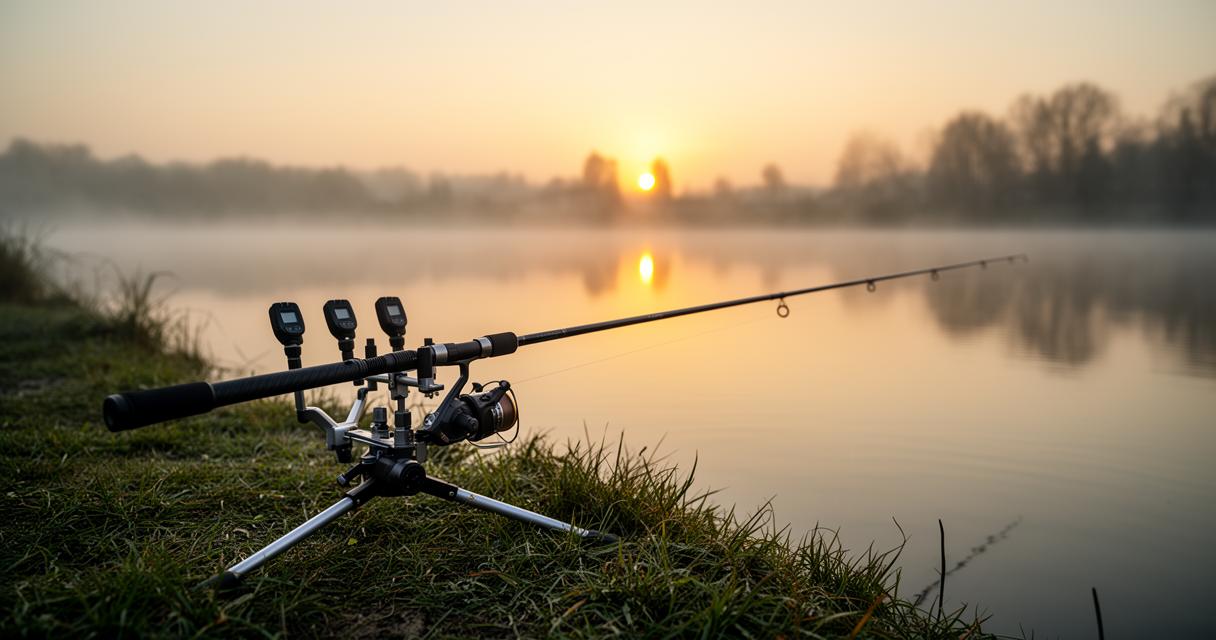
Carp fishing is steeped in tradition, with a heritage that spans centuries and crosses borders. In Britain, carp fishing has evolved from a niche pursuit into a mainstream passion, while in France, it has long been celebrated as a cornerstone of angling culture. Understanding the species of carp and their behaviour not only enhances your chances of success but also deepens your appreciation for the sport's rich history.
Understanding Common, Mirror, and Leather Carp: Species Identification and Habits
There are three primary species of carp that anglers target: common carp, mirror carp, and leather carp. Common carp are fully scaled and have a streamlined, torpedo-shaped body. They are the most widespread and are known for their strength and fighting ability. Mirror carp, on the other hand, have irregular, large scales that can vary greatly in number and placement. This variation makes each mirror carp unique, adding to their appeal among anglers. Leather carp are the least common and are almost entirely scaleless, with a smooth, leathery skin. They are particularly prized for their rarity and distinctive appearance.
In terms of behaviour, carp are opportunistic feeders that adapt their diet based on availability. They are known to feed on a wide range of natural foods, including aquatic insects, crustaceans, and plant matter. This adaptability makes them responsive to a variety of baits, from traditional offerings like sweetcorn and bread to modern innovations such as wafters and pop-ups. Carp are also highly sensitive to changes in their environment, including water temperature, barometric pressure, and the presence of anglers. Understanding these factors can help you time your fishing trips for maximum effectiveness.
Learning from Continental European Carp Fishing Traditions and Modern British Approaches
France has long been a mecca for carp fishing, attracting anglers from across Europe and beyond. The country's vast network of lakes and rivers offers some of the finest carp fishing in the world, with many venues stocking fish that exceed fifty pounds. The French approach to carp fishing emphasizes patience, preparation, and respect for the environment. Many venues have specific rules and bait restrictions that anglers must adhere to, reflecting a commitment to sustainable fishing practices. For UK anglers planning a fishing trip to France, it is crucial to understand these venue rules and to pre-order bait at the lake if necessary, particularly given the bait restrictions introduced following Brexit.
In Britain, carp fishing has embraced a more dynamic and innovative approach. The development of advanced rigs, high-tech bite alarms, and a dizzying array of bait options has pushed the sport forward. British anglers are known for their meticulous attention to detail, from fine-tuning their rigs to experimenting with different boilie flavours and liquids. This culture of innovation has led to the creation of products like the crayfish range and fluoro range, which offer anglers new ways to entice wary carp. The availability of bulk special offers and free delivery on orders over one hundred pounds has also made it easier for anglers to stock up on the equipment and bait they need for extended sessions.
For those new to carp fishing, a beginner's guide to the essentials can make all the difference. A comprehensive checklist should include not only tackle and bait but also practical items such as a camera to capture your catches and a first aid kit for emergencies. Weather preparation is also vital, as conditions can change rapidly, particularly during week-long trips. In France, it is advisable to buy food locally due to post-Brexit food restrictions, and anglers must ensure they have the necessary travel requirements in place. This includes driving on the right, carrying a warning triangle and high-visibility vest, and confirming that car insurance covers European travel. Ferry crossings other than the standard Dover to Calais route can offer a more relaxed start to your trip, setting the tone for a successful and enjoyable angling adventure.
Organising properly for a carp fishing trip involves more than just packing your gear. Trip planning should take into account the lake size, local carp pressure, and managing expectations. Recent trip reports highlight the importance of realistic goals, with one angler noting that twelve fish were hooked, seven landed, and four caught personally. The baits used included boilie crumb, Bug boilies, and pellets, with a total weight of around twenty kilograms of boilies taken for the session. Such insights from experienced anglers provide valuable lessons for those embarking on their own carp fishing journey.
The tradition of carp fishing in Britain and France is kept alive by a dedicated community of anglers and bloggers who share their knowledge and experiences. Figures such as Steve Calder, Mike Linstead, Paul Cooper, Jim Kelly, Andrew Gilbert, Mark Lambert, Ron Key, Pat Gillett, Duncan de Gruchy, Richard Owen, Rob Inns, and Steve Bedford have all contributed to the collective understanding of the sport. Their insights, combined with the wealth of products and services available from specialist suppliers, ensure that carp fishing remains an accessible and rewarding pursuit for anglers of all levels.
Whether you are casting into a quiet English pond or a sprawling French lake, the principles of carp fishing remain the same. With the right equipment, a solid understanding of proven techniques, and a respect for the traditions that have shaped the sport, you can enjoy the thrill of hooking into one of these magnificent fish. The journey from novice to experienced angler is one of continuous learning and adaptation, enriched by the rich heritage and vibrant community that make carp fishing a truly special pastime.