
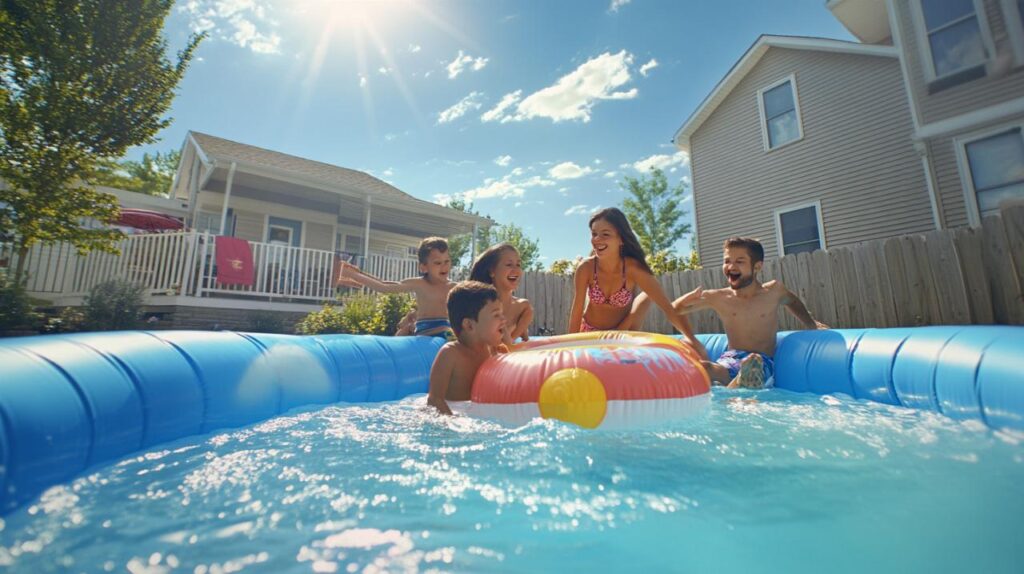
As the warm weather arrives and gardens across the country beckon for outdoor enjoyment, many families are discovering the joys of transforming their own outdoor spaces into refreshing retreats. An inflatable pool offers a straightforward solution for cooling off and creating memorable moments without the expense or hassle of a permanent installation. Whether you seek a modest option for toddlers or a spacious setup for the entire family, the variety available today ensures there is something suitable for every household and budget.
Types of Inflatable Pools Perfect for Your Garden
The market for self-supporting pools has grown considerably in recent years, driven by their ease of setup and affordable price points. Industry forecasts suggest this sector is expected to reach approximately two point nine million pounds by the year two thousand and thirty-two, reflecting an annual growth rate of seven point two per cent. This surge in popularity is largely thanks to the diverse inflatable pool options for summer fun that cater to different age groups and garden sizes. From compact designs intended for the youngest members of the family to expansive models that can accommodate adults and children alike, the selection is both varied and accessible.
Paddling pools for little ones
For families with babies and toddlers, smaller paddling pools provide a safe and enjoyable introduction to water play. These models are typically designed with shallow depths and often feature charming designs or built-in sun canopies to shield delicate skin from harsh rays. One standout option includes a printed canopy pool that offers UV protection while allowing little ones to splash about comfortably. Such pools are lightweight, easy to inflate, and can be stored away with minimal effort once the season ends. Many of these designs also fold into compact carry bags, making them ideal for trips to the beach or visits to relatives. The emphasis on portability and quick setup means that even busy parents can enjoy spontaneous water play without extensive preparation. Additionally, pools tailored for toddlers often incorporate soft materials and gentle contours to ensure a pleasant experience for children aged one to eleven.
Larger family-sized inflatable options
For those seeking a more substantial experience, family-sized inflatable pools offer generous capacity and added features that enhance comfort and entertainment. These larger models can hold several thousand litres of water and frequently include built-in benches, backrests, or even integrated drinks holders, allowing adults to relax while supervising their children. Some designs incorporate slides, sprinklers, or splash pad elements, transforming a simple pool into a miniature water park. Brands such as Intex and Bestway have earned reputations for producing durable models with triple air chambers that maintain stability even when filled to capacity. The use of reinforced PVC material ensures these pools withstand regular use and resist punctures, extending their lifespan to an average of two to three years with proper care. Metal frame variants offer even greater durability, supporting larger volumes and providing a sturdier structure for energetic play. Prices for these family-friendly options typically range from around twenty to ninety pounds, depending on size and additional features, making them an attractive alternative to traditional above-ground pools that require excavation or special permissions.
Setting up and maintaining your inflatable pool
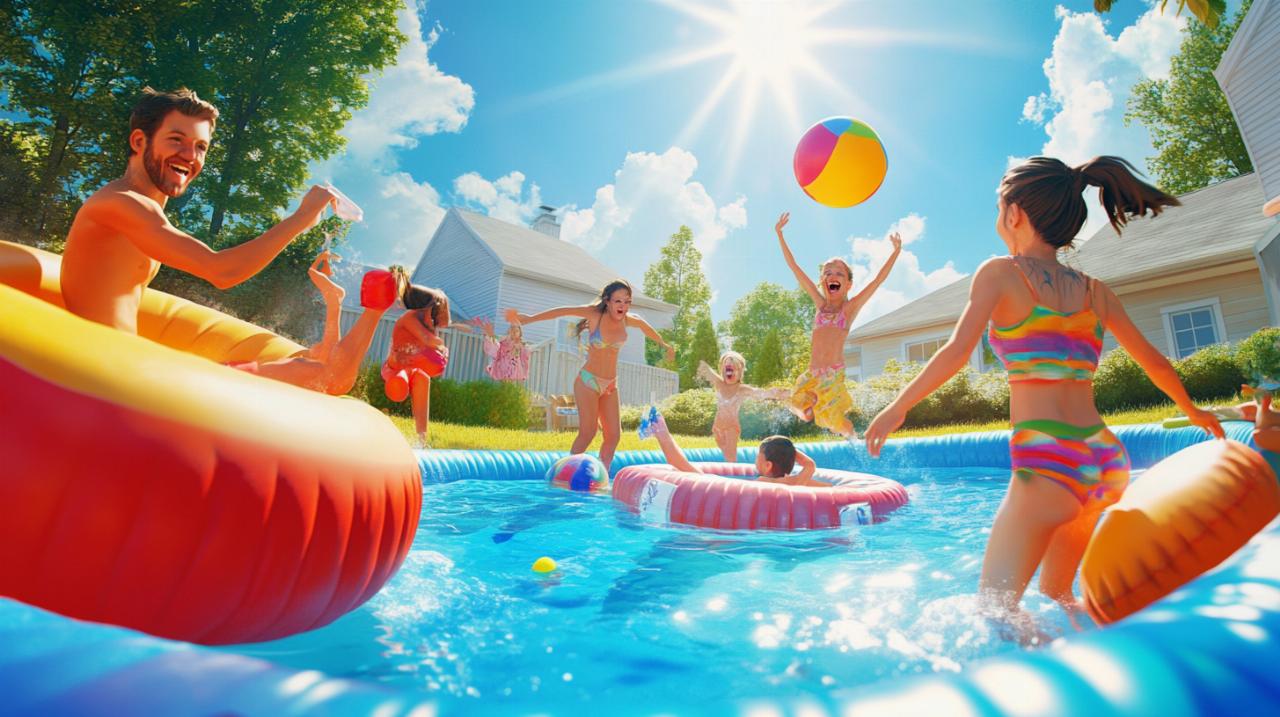
Once you have selected the ideal pool for your household, the next step involves proper installation and ongoing care to ensure a safe and enjoyable experience throughout the summer months. Self-supporting pools are constructed from materials such as PVC, vinyl, or polyester, and they remain upright through water pressure rather than rigid frameworks. This design simplifies assembly and allows for flexible placement in your garden, provided you have a level surface and sufficient space. Understanding the nuances of setup and maintenance will help you maximise the longevity of your investment and keep the water clean and inviting for all users.
Quick assembly and inflation tips
Setting up an inflatable pool is generally straightforward, requiring little more than a flat area, an electric pump, and a nearby water source. Begin by clearing the ground of any sharp objects, stones, or debris that might puncture the pool material. Lay out a protective groundsheet if possible, as this adds an extra layer of defence against abrasions. Inflate the pool according to the manufacturer's instructions, ensuring that all air chambers are evenly filled. Many models feature multiple chambers to enhance stability and safety, so take care to inflate each section fully. Once inflated, position the pool in your desired location and begin filling it with water. Depending on the pool's capacity, this process can take anywhere from thirty minutes to several hours. Smaller pools with capacities around eight hundred and eighty litres fill quickly, while larger options holding over five thousand litres require more patience. Some pools come with basic filter systems, which should be installed during setup to help circulate and clean the water from the outset. Always follow the guidance provided by the manufacturer to avoid overfilling or placing undue stress on the seams.
Keeping your pool clean and safe throughout summer
Regular maintenance is essential to ensure the water remains hygienic and the pool stays in good condition. Start by using a skimmer net to remove leaves, insects, and other debris from the surface daily. This simple step prevents organic matter from decomposing and clouding the water. In addition to physical cleaning, chemical treatment is necessary to control bacteria and algae growth. Chlorine is the most common disinfectant, and it should be added according to the volume of your pool and the instructions on the product packaging. Alongside chlorine, consider using anti-algae products to prevent unsightly green buildup on the pool walls and floor. Monitoring the pH level of the water is equally important, as levels that are too high or too low can cause skin irritation and reduce the effectiveness of chlorine. Aim to keep the pH between seven point two and seven point six, using testing kits available from most retailers. Filter systems, although basic in many inflatable models, should be checked and cleaned regularly to maintain circulation and remove suspended particles. If your pool did not come with a filter, consider purchasing one separately, as it significantly reduces the manual effort required to keep the water clear. At the end of the summer season, empty the pool completely, scrub all surfaces with a mild detergent, and rinse thoroughly. Allow the pool to dry fully before folding it carefully and storing it in a cool, dry location, away from direct sunlight and extreme temperatures. Before the next season, inspect the pool for any signs of damage, such as tears or weakened seams, and repair them promptly to extend the pool's lifespan. With diligent care, your inflatable pool will provide countless hours of enjoyment year after year, making it a worthwhile addition to your garden and a source of delight for the whole family.