
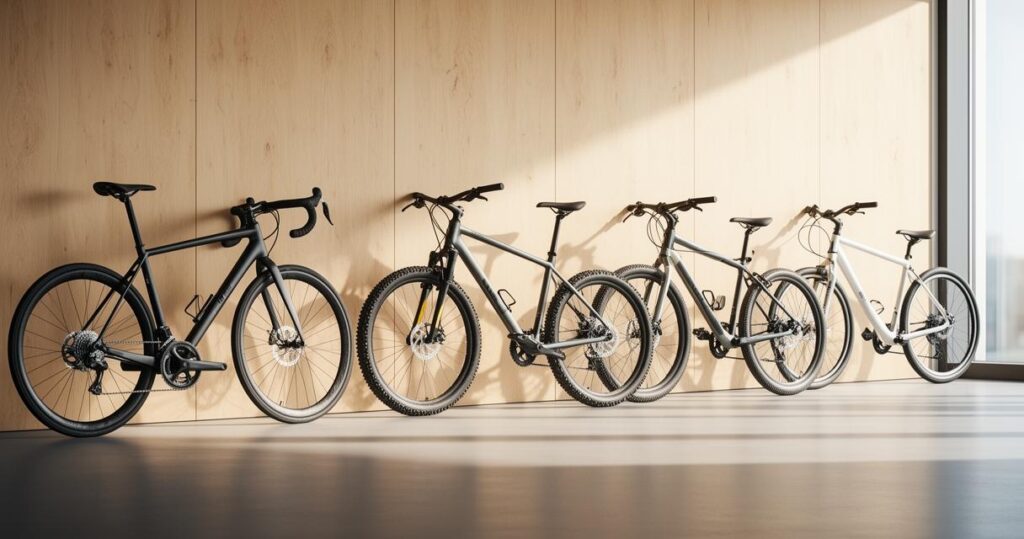
Selecting the right bicycle for challenging and rugged terrains can transform your cycling experience from a frustrating endeavour into an exhilarating adventure. With numerous bicycle types available, each designed with specific features to tackle different environments, understanding the key distinctions is essential. Whether you are planning to navigate rocky mountain trails, explore mixed terrain, or embark on long-distance journeys across unpredictable paths, matching your bike to your needs ensures both safety and enjoyment. This guide delves into the various categories of bicycles suited for off-road and demanding conditions, highlighting the features that matter most and offering practical advice to help you make an informed choice.
Understanding bicycle categories for challenging off-road adventures
When venturing beyond smooth tarmac and into the realm of rugged paths, the choice of bicycle becomes critical. Different categories of bikes are engineered to meet the demands of varied terrain, each offering unique benefits and trade-offs. Mountain bikes and hybrid bikes stand out as two primary options for those seeking to tackle uneven and challenging surfaces. Understanding their core characteristics and intended uses will guide you toward the model that best aligns with your riding ambitions.
Mountain Bikes: Built for Rough and Rocky Paths
Mountain bikes are the quintessential choice for riders who intend to conquer rough terrains, from rocky trails and muddy tracks to steep descents and technical climbs. These bicycles are purpose-built with robust frames, wide knobbly tyres, and advanced suspension systems that absorb shocks and provide superior grip on unstable ground. The versatility within the mountain bike category is considerable, ranging from hardtail models featuring front suspension only to full-suspension designs that incorporate both front and rear shock absorbers. Hardtail mountain bikes are particularly appealing to those who prioritise lightweight construction and efficient climbing ability, making them ideal for cross-country riding and endurance events. Entry-level hardtail models start from around four hundred and twenty-five pounds, offering a budget-friendly gateway into off-road cycling. On the other hand, full-suspension mountain bikes excel in delivering comfort and control over the roughest of trails, with prices typically starting near two thousand pounds for capable models and climbing to approximately four thousand pounds for top-tier performance machines. Within the mountain bike realm, further specialisation exists. Cross-country bikes are designed for speed and efficiency over long distances, featuring lighter frames and more efficient pedalling platforms. Trail bikes offer a balanced approach, suitable for a mix of uphill and downhill riding, while downhill bikes are engineered for high-speed descents with long-travel suspension and heavier builds. Enduro bikes blend climbing capability with descending prowess, catering to riders who enjoy technical terrain and competitive events. For those venturing into extreme conditions such as snow, sand, or loose gravel, fat bikes with oversized tyres provide exceptional traction and stability. The choice among these mountain bike types depends on your intended routes, riding style, and the level of technical challenge you seek. Wheel size also plays a significant role in performance; twenty-seven-and-a-half-inch wheels offer nimble handling and acceleration, whereas twenty-nine-inch wheels roll over obstacles more easily and maintain momentum on longer rides. Suspension type, frame geometry, and component quality all contribute to the overall riding experience, making it essential to consider these factors carefully when selecting a mountain bike for rugged terrains.
Hybrid bikes: versatility across mixed terrain
Hybrid bikes represent a compelling compromise between the speed of road bikes and the ruggedness of mountain bikes, making them an excellent option for riders who encounter a variety of surfaces during their journeys. These bicycles typically feature a more upright riding position for comfort, moderately wide tyres that handle both paved roads and light off-road paths, and a sturdy frame capable of carrying additional loads. Hybrids are particularly well-suited for urban commuting, leisure rides through parks, and excursions along gravel paths or towpaths. Their general-purpose design allows them to adapt to different conditions without the extreme specialisation of dedicated mountain or road bikes. Prices for hybrid bikes start around five hundred pounds for reliable models, with carbon-framed versions available for approximately one thousand five hundred pounds. The versatility of hybrids extends to their ability to accommodate accessories such as mudguards, racks, and panniers, enhancing their practicality for commuting and touring. While hybrids may not match the off-road prowess of mountain bikes or the speed of road bikes, they offer a balanced solution for riders who value flexibility and comfort. For those who occasionally venture onto rougher terrain but spend most of their time on smoother surfaces, a performance hybrid with slightly more aggressive tyres and a lighter frame can provide an enjoyable and capable riding experience. The adaptability of hybrid bikes makes them a popular choice for riders exploring the countryside, tackling moderate trails, and navigating mixed-use paths. When considering a hybrid for rugged terrains, it is important to assess the quality of the suspension, if any, and the robustness of the frame and components, as these factors will influence durability and ride quality on challenging surfaces.
Key Features to Consider When Selecting a Bike for Rugged Use
Choosing a bicycle for rugged terrains involves more than simply picking a category; the specific features and components of the bike directly impact performance, safety, and comfort. From frame materials and tyre specifications to braking systems and suspension setups, each element plays a vital role in how the bicycle handles demanding conditions. Understanding these features and how they relate to your riding needs will help you select a bike that not only meets your expectations but also enhances your overall cycling experience.
Frame Design and Tyre Selection for Durability
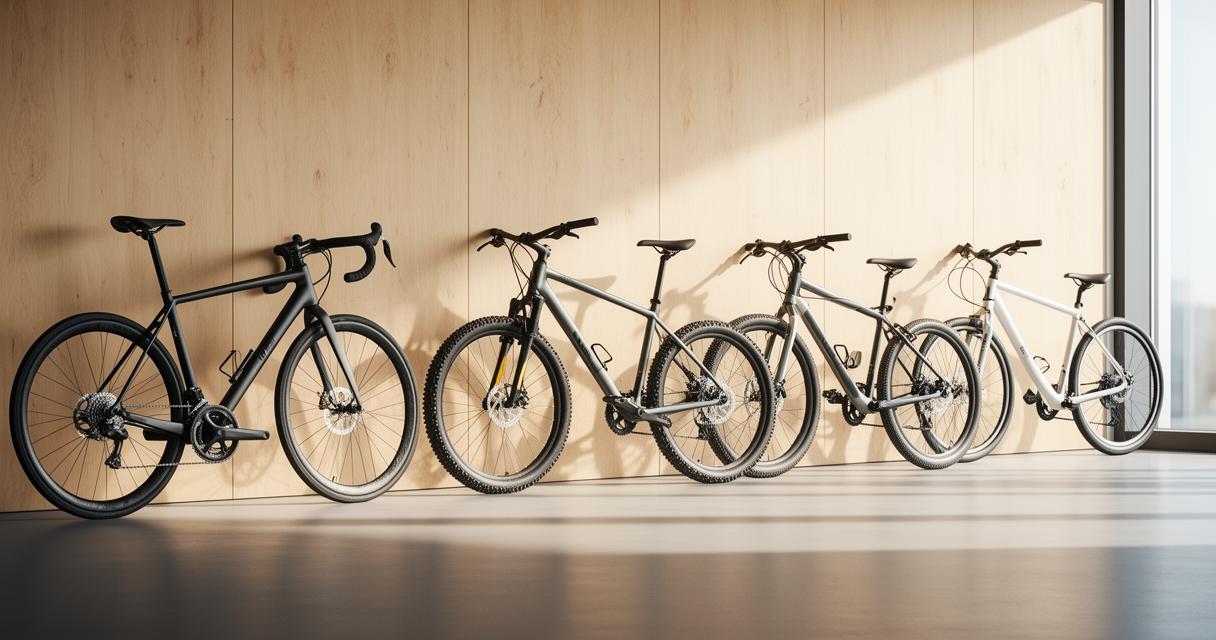
The frame is the backbone of any bicycle, and its design, material, and geometry determine how the bike responds to rough terrain. Aluminium frames are common in entry-level and mid-range bikes due to their affordability, light weight, and resistance to corrosion. Carbon fibre frames, while more expensive, offer superior strength-to-weight ratios and excellent vibration damping, making them a popular choice for performance-oriented riders. Steel frames, though heavier, provide durability and a smooth ride quality that some touring and adventure cyclists prefer. Frame geometry also affects handling and comfort; slacker head angles and longer wheelbases contribute to stability on descents, while steeper angles and shorter wheelbases enhance manoeuvrability and climbing efficiency. Tyre selection is equally critical when tackling rugged terrains. Wide, knobbly tyres with aggressive tread patterns provide the grip and traction necessary for loose dirt, mud, and rocky surfaces. Tyre width influences both comfort and control; wider tyres can be run at lower pressures for improved shock absorption and traction, while narrower tyres roll faster on hard-packed surfaces. The type of tyre casing and compound also affects puncture resistance and longevity. For mixed-terrain riding, some cyclists opt for tyres with a centre ridge for efficient rolling on roads and side knobs for cornering grip off-road. Fat bike tyres, which can exceed four inches in width, are designed for extreme conditions such as snow and sand, offering unparalleled flotation and stability. When selecting tyres, consider the predominant terrain you will encounter and choose a tread pattern and width that matches those conditions. Additionally, tubeless tyre setups, which eliminate inner tubes, reduce the risk of pinch flats and allow for lower pressures, enhancing traction and comfort on rough trails. The combination of a well-designed frame and appropriate tyres forms the foundation for a capable and durable bicycle suited to rugged use.
Braking Systems and Suspension for Safety and Comfort
Braking performance is paramount when navigating steep descents, loose surfaces, and unpredictable terrain. Modern mountain bikes and many hybrid and gravel bikes are equipped with disc brakes, which provide consistent and powerful stopping performance in all weather conditions. Hydraulic disc brakes, in particular, offer superior modulation and require less hand effort than mechanical disc brakes, making them the preferred choice for serious off-road riding. The increased stopping power and reliability of disc brakes compared to traditional rim brakes are especially important when riding in wet or muddy conditions, where rim brakes can lose effectiveness. When evaluating braking systems, consider the rotor size as well; larger rotors dissipate heat more effectively and provide greater stopping force, which is beneficial for steep and technical descents. Suspension is another crucial feature for comfort and control on rugged terrains. Front suspension, commonly referred to as a suspension fork, absorbs impacts from rocks, roots, and drops, reducing fatigue and maintaining traction. The amount of suspension travel, measured in millimetres, indicates how much the fork can compress; more travel is advantageous for rough and technical trails, while less travel is suitable for smoother off-road paths and cross-country riding. Hardtail mountain bikes, with front suspension only, are lighter and more efficient for climbing, making them ideal for riders who prioritise speed and endurance. Full-suspension mountain bikes, with both front and rear shock absorbers, excel in providing comfort and control on the roughest trails, allowing riders to maintain speed and confidence over challenging terrain. The type of suspension design, such as single-pivot, multi-pivot, or linkage-driven systems, affects pedalling efficiency and responsiveness. Adjustable suspension settings, including compression and rebound damping, allow riders to fine-tune their bike's performance to match specific trails and riding styles. For hybrid and gravel bikes, suspension is often limited to front forks or seat post designs, offering a degree of comfort without the complexity of full suspension. When selecting a bike for rugged use, carefully assess the braking system and suspension setup to ensure they align with the intensity and technical demands of your intended routes.
Matching your bicycle choice to your travel requirements
Selecting the ideal bicycle for rugged terrains ultimately depends on a thorough understanding of your own cycling habits, the environments you will encounter, and your long-term goals. A bike that suits one rider's needs may not be appropriate for another, even if both plan to ride in similar conditions. By assessing your typical routes, riding style, and budget, you can narrow down the options and invest in a bicycle that delivers satisfaction and performance for years to come.
Assessing your typical routes and riding conditions
Begin by evaluating the types of terrain you will most frequently encounter. If your rides predominantly involve technical mountain trails with steep climbs and descents, a full-suspension mountain bike designed for trail or enduro riding will provide the necessary control and comfort. For riders who enjoy cross-country racing or long-distance off-road adventures, a lightweight hardtail mountain bike offers efficient pedalling and agility. If your cycling includes a mix of paved roads, gravel paths, and occasional rough trails, a gravel bike or performance hybrid may be the most versatile choice, offering speed on smoother surfaces and capability on uneven ground. Consider the climate and weather conditions as well; wet and muddy trails demand robust braking systems and tyres with aggressive tread, while dry and rocky terrain benefits from durable frames and puncture-resistant tyres. The length and frequency of your rides also influence the ideal bike choice. For daily commutes that include rough sections, a hybrid or electric bike with pedal assistance can ease the effort and extend your range, with electric bikes typically offering forty to fifty miles per charge depending on battery capacity and motor power. Electric bikes are available with hub motors, which are more affordable and start around one thousand five hundred pounds, or centre motors, which provide better weight distribution and performance, starting near two thousand pounds. If you plan to embark on multi-day touring or bikepacking adventures, a touring bike or bikepacking-specific gravel bike with mounting points for racks, bags, and additional water bottles is essential for carrying the necessary gear. Understanding your typical routes and riding conditions allows you to prioritise the features and capabilities that matter most, ensuring your bicycle is well-suited to the challenges you will face.
Budget considerations and long-term performance needs
Budget is a practical constraint that shapes the range of options available, but it is important to balance initial cost with long-term performance and maintenance needs. Entry-level mountain bikes start from around four hundred and twenty-five pounds for hardtail models, providing a solid introduction to off-road cycling without a significant financial commitment. As you move up the price spectrum, improvements in frame materials, suspension quality, and component durability become apparent, with capable full-suspension bikes starting near two thousand pounds. High-end models, which can reach four thousand pounds or more, offer cutting-edge technology, lightweight construction, and refined performance for competitive riders and enthusiasts. For hybrid bikes, prices begin around five hundred pounds, with premium carbon models available for approximately one thousand five hundred pounds. Gravel bikes start at seven hundred and ninety-nine pounds and can exceed ten thousand pounds for top-tier models. Electric bikes, which provide motor assistance and are ideal for longer distances and rugged terrain, start around one thousand five hundred pounds for hub motor systems and two thousand pounds for centre motor designs, with folding electric models such as the Brompton beginning at two thousand nine hundred pounds. When setting a budget, consider not only the purchase price but also the cost of accessories, maintenance, and potential upgrades. Buying a pre-loved bike can be a cost-effective option, as many well-maintained used bikes are available with warranties and offer excellent value. Older model bikes may also represent a smart purchase, as differences between successive model years are often minimal. Investing in a quality bike that matches your needs can lead to greater satisfaction and lower long-term costs, as durable components and reliable performance reduce the frequency of repairs and replacements. Evaluate your riding goals and how they may evolve over time; a bike that meets your current needs and allows for upgrades, such as better tyres, improved brakes, or a dropper seat post, can grow with you as your skills and ambitions develop. By carefully considering your budget alongside your performance needs and long-term plans, you can make a well-informed decision that delivers both value and enjoyment on rugged terrains.